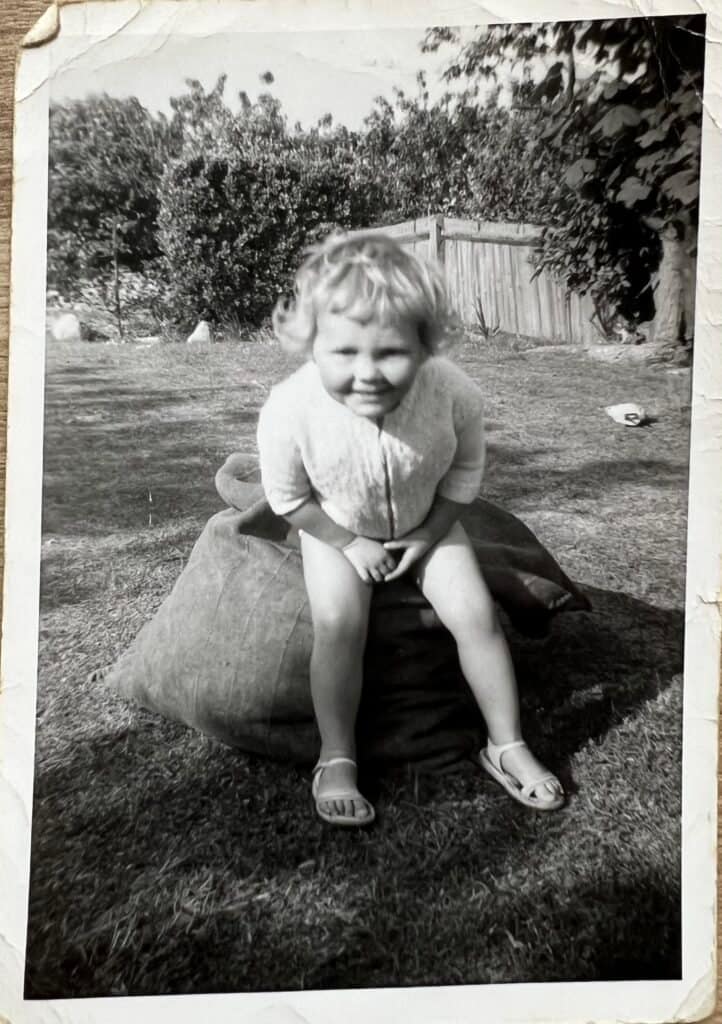
As a child I became the scapegoat in my family and now at 65 years old I am still dealing with the consequences of this role and its impact on my life. Having therapy to deal with complex post traumatic stress disorder can really help. I hope this article can help others who have had this role to feel validation and know you are not alone. Self doubt can be one of the biggest side effects of being the “scapegoat child” and this only prolongs the cycle. If you feel this happened to you trust your instincts and seek strategies that will help you.
Defining the Scapegoat Child
The term ‘scapegoat child’ refers to a specific role within a family dynamic where one child is consistently blamed for the family’s problems or conflicts. This child often becomes the focal point of familial frustrations, receiving disproportionate attention from parents and siblings alike. The scapegoat is regularly assigned the role of the “problematic” member, unfairly bearing the consequences for issues that may be unrelated to their actions or behavior. This dynamic can stem from various psychological origins, including the necessity for the family to deflect attention from underlying issues, such as parental conflict or dysfunction. In these situations, the scapegoat child is utilized as a means to unify the family by providing a common enemy or source of blame.
Characteristics of a scapegoat child often include feelings of isolation, low self-esteem, and a propensity to internalize blame. Such children may display behaviors that both reflect their distress and prompt further blame from family members. Common traits include rebelliousness, aggression, or withdrawing from family interactions. In some cases, scapegoat children may strive for perfectionism or overachievement, desperately seeking approval and validation that eludes them due to their role in the family.
This phenomenon is not exclusive to any one family structure or social class, and it can manifest in various ways across different families. The psychological mechanisms behind scapegoating may be rooted in family history, with previous generations possibly replicating similar patterns of behavior. As such, an understanding of the role of the scapegoat child necessitates a broader exploration of family dynamics, parenting styles, and communication patterns within the household.
The Dynamics of Scapegoating in Family Systems
Scapegoating is a complex phenomenon that manifests within family systems, driven by intricate power dynamics among family members. In these systems, the scapegoat child is often the one who embodies the family’s unresolved conflicts, tensions, and dysfunctions. As a result, they frequently become the target for familial frustrations that are unjustly projected onto them. This role may be adopted consciously or unconsciously by parents and siblings, leading to a cycle of blame that perpetuates emotional distress.
The power dynamics in families often skew heavily in favor of one or two authority figures, typically the parents. These figures may channel their unmet needs, frustrations, or societal pressures onto the scapegoat child, inadvertently maintaining their role as the family’s emotional outlet. Siblings may also contribute to this dynamic by either supporting the scapegoating process or distancing themselves from it to protect their own emotional well-being. This positioning can lead to a range of reactions among siblings, from jealousy to complicity, which can further entrench the scapegoat child’s isolation.
Common triggers for scapegoating include external stresses such as financial problems, marital discord, or mental health issues within the family. In times of crisis, families may seek to maintain their cohesion by diverting attention onto a single member, who becomes the identified problem. This diversion serves to alleviate immediate tensions but often creates a deeper emotional rift that affects the entire family unit.
The emotional impact of scapegoating is profound, often resulting in long-term psychological effects for the scapegoat child, including issues with self-esteem, anxiety, and a sense of unworthiness. Understanding these dynamics is crucial for family members, as recognizing the patterns at play can lead to healthier interactions and ultimately, a more equitable family environment.
The Psychological Impact on the Scapegoat Child
The designation of a child as the scapegoat within a family unit can lead to profound emotional and psychological consequences. Often, these children are blamed for various family issues and dysfunctions, resulting in significant challenges that manifest during childhood and persist into adulthood. One of the most immediate effects is low self-esteem, as these children internalize blame and criticism, leading them to perceive themselves as unworthy or inadequate. The constant negativity they experience contributes to a diminished self-image that can be enduring.
Moreover, anxiety is a frequent companion of the scapegoat child. They often live in a state of hyper-vigilance, anticipating conflict and blame, which can create a pattern of chronic worry. This anxiety can lead to various behavioral issues, such as avoidance of social situations or difficulties in forming healthy relationships. Feelings of isolation are common, as they may feel alienated from their peers due to their family dynamics, thus exacerbating their psychological distress.
Depression is another serious concern for scapegoat children. The weight of being consistently blamed and emotionally neglected can foster feelings of hopelessness and despair. As these children transition into adulthood, the impacts of their childhood experiences can manifest in various ways, including challenges in maintaining personal and professional relationships, low job satisfaction, and mental health issues that may necessitate ongoing therapy or intervention.
To cope with these adverse effects, scapegoat children may develop specific mechanisms, such as becoming people-pleasers or developing an exaggerated sense of responsibility. Additionally, some may turn to unhealthy coping strategies, like substance use, to escape their emotional pain. It is crucial for those who identify as having been a scapegoat child to seek mental health support, as acknowledging their experiences is a significant step towards healing and recovery.
Breaking the Cycle: Healing from Scapegoating
Scapegoating within families creates a detrimental cycle that can perpetuate emotional pain and dysfunction across generations. To address and dismantle this cycle, several strategies can be employed that emphasize open communication, family therapy, and the nurturing of supportive relationships.
Open communication is fundamental in breaking the cycle of scapegoating. Family members must feel safe to express their feelings and frustrations without fear of retribution. Entering a dialogue about the dynamics at play allows all members to gain insight into their roles. For instance, the child labeled as the scapegoat often internalizes blame for family issues, while other members may unconsciously perpetuate this dynamic. Encouraging honest conversations can help unveil hidden grievances and diminish resentment, enabling a shift towards a more collaborative family environment.
Family therapy serves as another vital tool in healing from scapegoating. A trained therapist can facilitate discussions that might be too challenging to navigate alone. Therapy provides a structured space for family members to explore their feelings and behaviors while learning healthier interpersonal skills. By addressing issues in a professional setting, families can work towards understanding the root causes of scapegoating and develop strategies to support all members, especially those who have been unfairly burdened with blame.
Additionally, fostering supportive relationships is crucial in healing the emotional scars of scapegoating. Building a network of friends and trusted individuals outside the family can provide a sense of belonging and validation. Education and awareness about the impacts of scapegoating are also essential. Both parents and children should be informed about the psychological effects of being scapegoated and the importance of breaking this damaging cycle. By enhancing understanding, families can work towards a healthier dynamic that encourages compassion, accountability, and mutual respect.